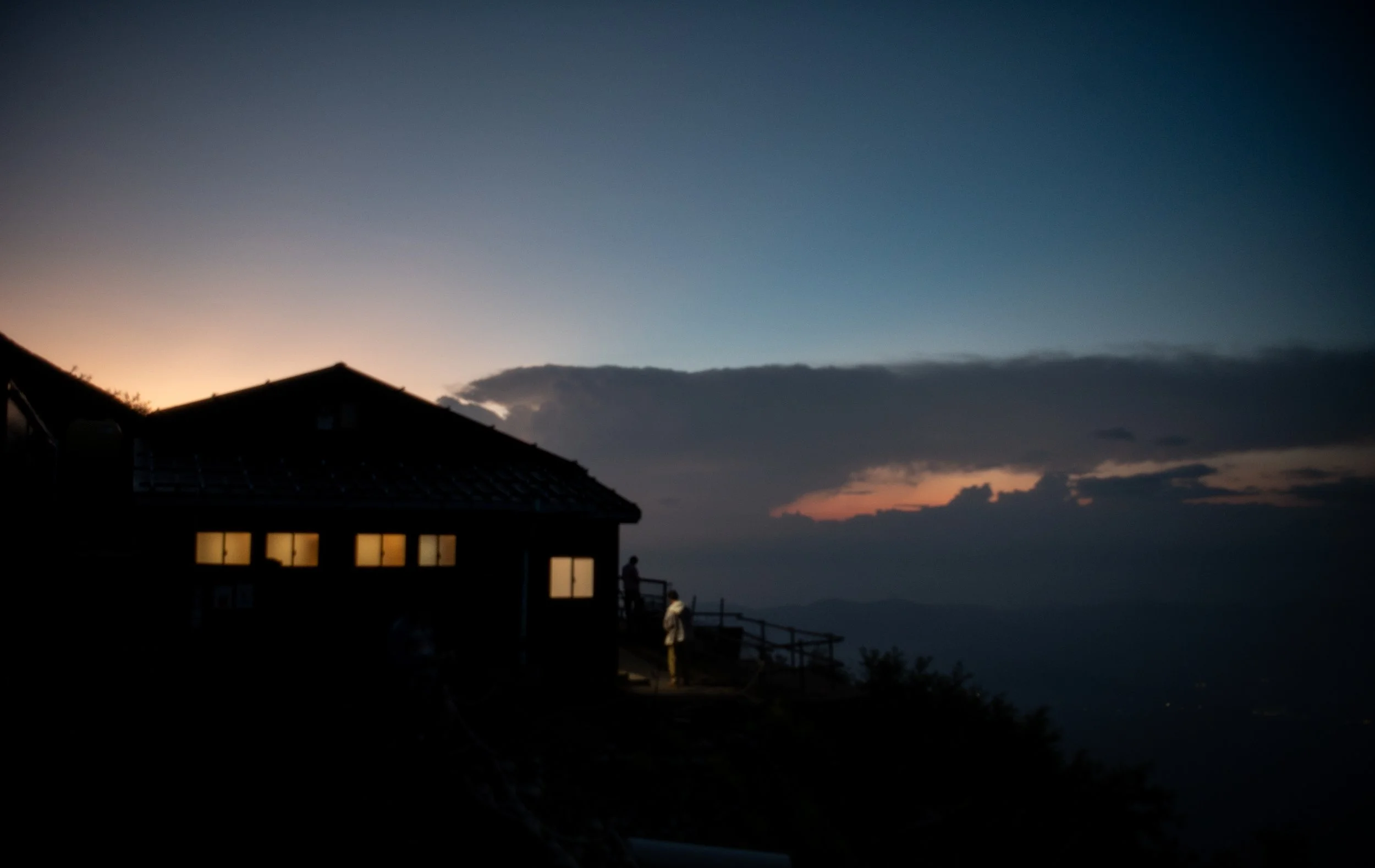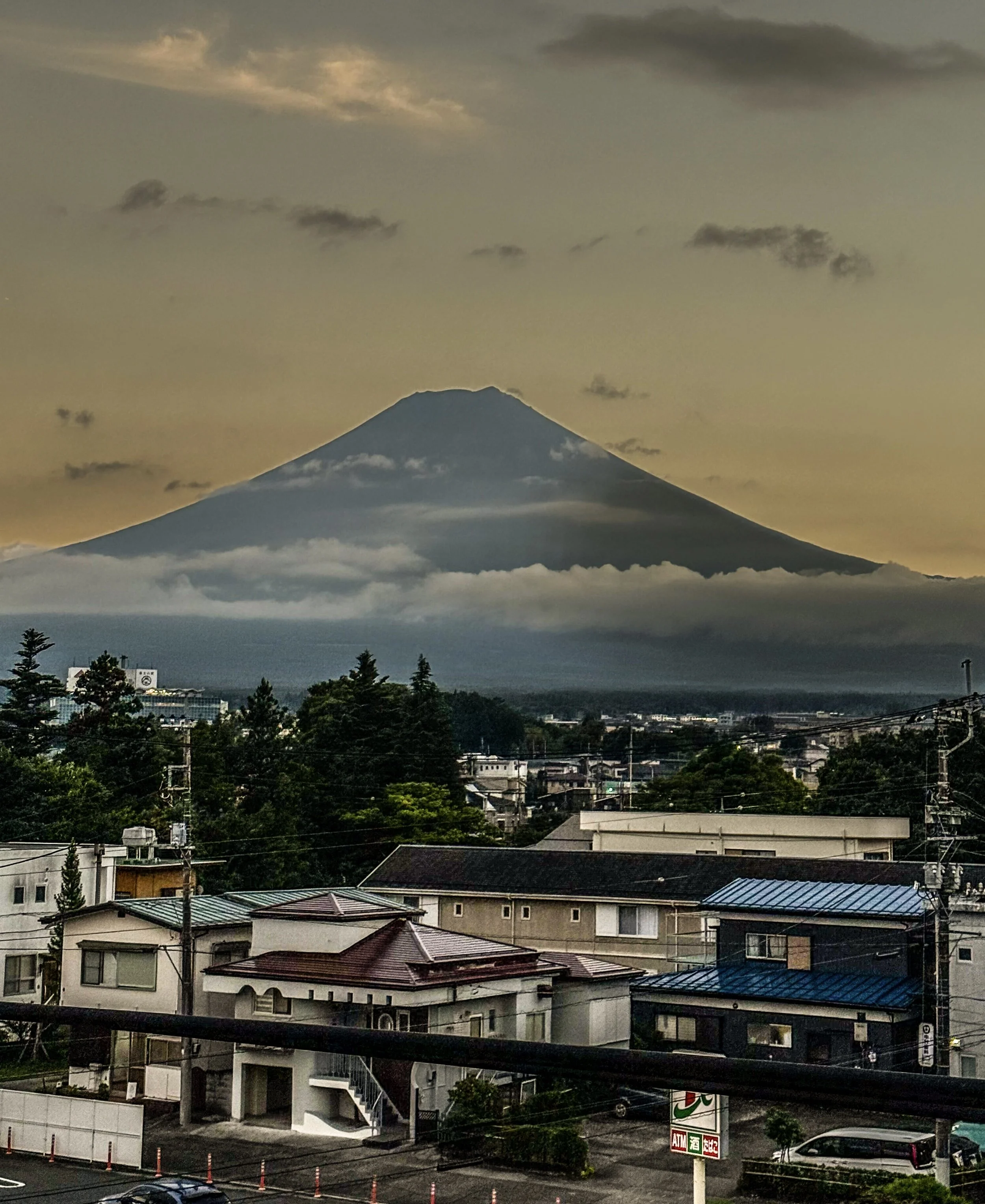
Mount Fuji: A Documentary Journey Through the Mist and Into the Dawn
This documentary photography project follows the ascent of Mount Fuji through changing weather, physical exhaustion, and moments of quiet resilience. Rather than focusing solely on the mountain's iconic landscape, the work explores the people, emotions, and shared human experiences that emerge along the journey to Japan's highest summit.
For several years, I lived in Yamanashi Prefecture, not far from Fujiyoshida, where Mount Fuji is an ever-present landmark. From Fujiyoshida, Tsuru, Ōtsuki, Gotemba, and many surrounding towns, its silhouette dominates the horizon, shaping the identity of the region and reminding residents of its extraordinary presence. Although I saw the mountain almost every day, I never felt the desire to climb it. That changed in 2018, when I reached the summit for the first time. The ascent was physically overwhelming. Headaches, altitude sickness, exhaustion, and nausea left little room to appreciate the experience. I achieved my goal, but I also realized that I had understood very little about what Mount Fuji truly represents.
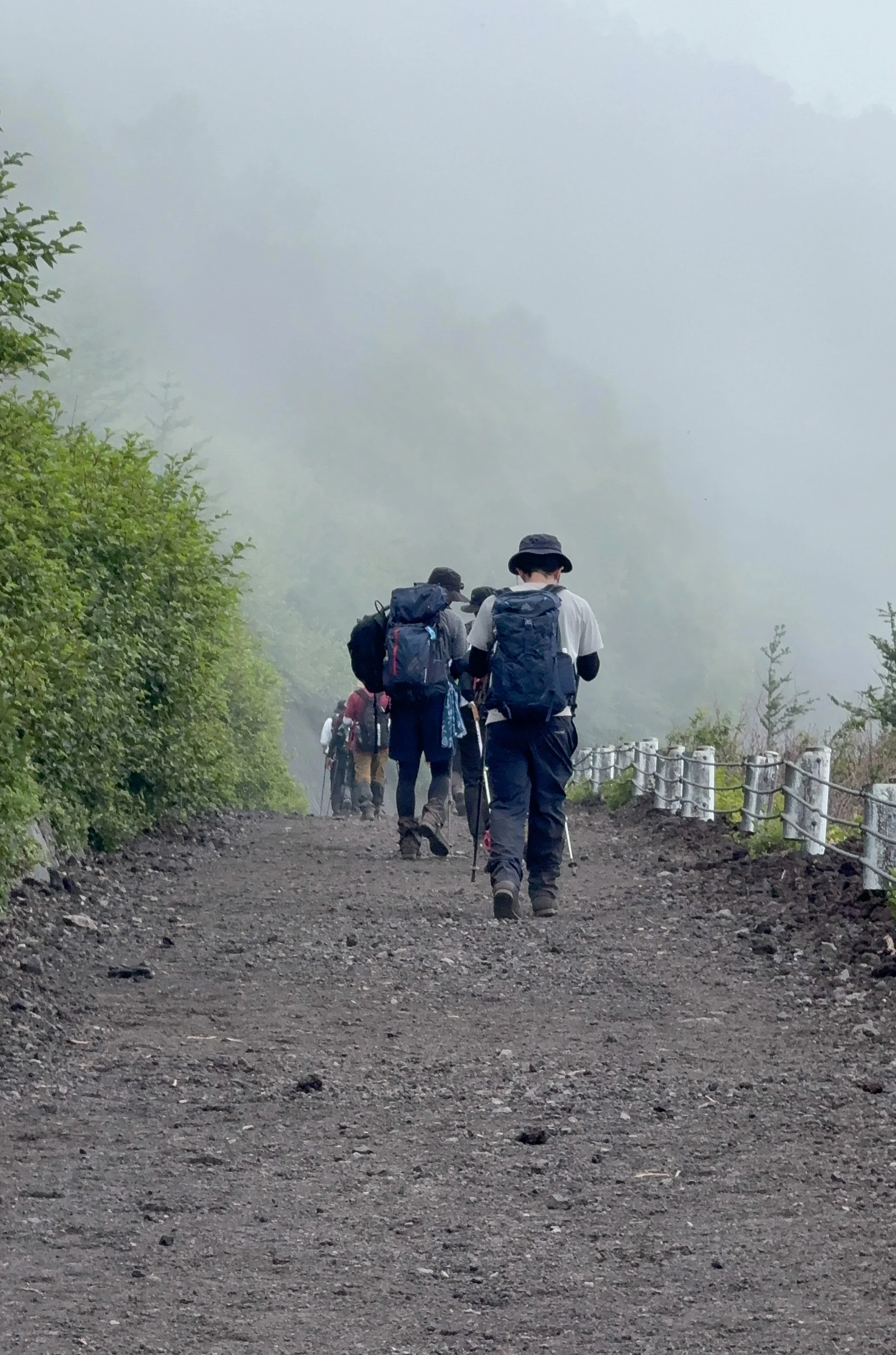
Eight years later, I returned with a different purpose. Instead of simply reaching the summit, I wanted to document the human experience of climbing Japan's highest mountain. Mount Fuji should never be seen merely as an iconic landscape or a destination for social media photographs. It demands preparation, discipline, and respect. Physical conditioning is essential, but mental resilience is equally important. Every step requires determination as climbers face volcanic terrain, rapidly changing weather, thin air, dehydration, fatigue, and hours of continuous effort. The mountain constantly reminds visitors that reaching the summit is only one part of the journey.
The Yoshida Trail brought together people from every corner of the world. Japanese climbers walked alongside visitors from Asia, Europe, Oceania, and the Americas, all sharing the same objective despite their different backgrounds. Along the trail I witnessed exhaustion, altitude sickness, and moments when many questioned whether they could continue. Yet I also witnessed quiet acts of solidarity. Strangers encouraged one another, shared space, waited patiently, and offered support whenever someone struggled. As night fell, dense mist gradually swallowed the mountain. Climbers disappeared into the fog before reappearing only a few meters ahead, transforming the ascent into a landscape where human figures seemed suspended between earth and sky.
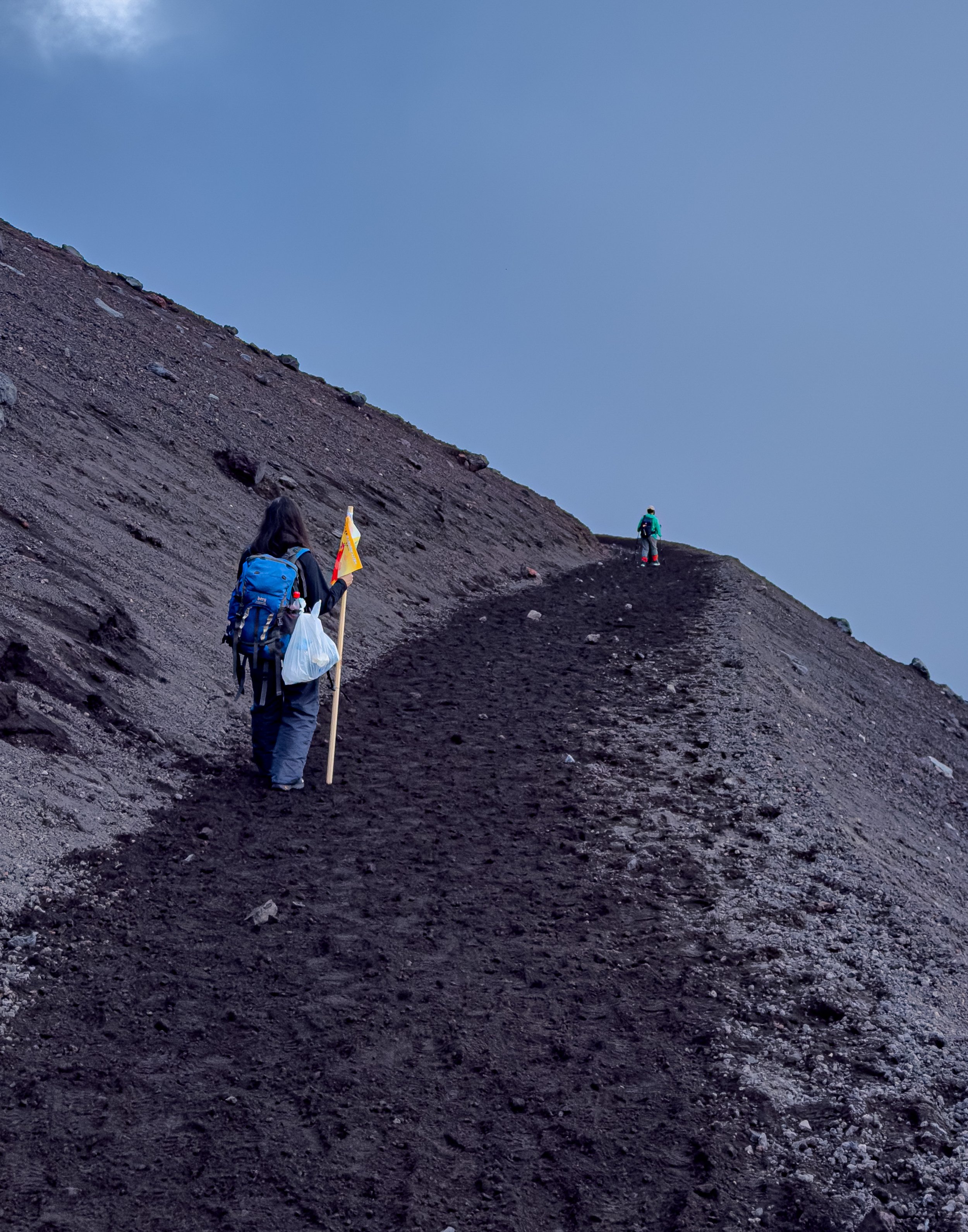
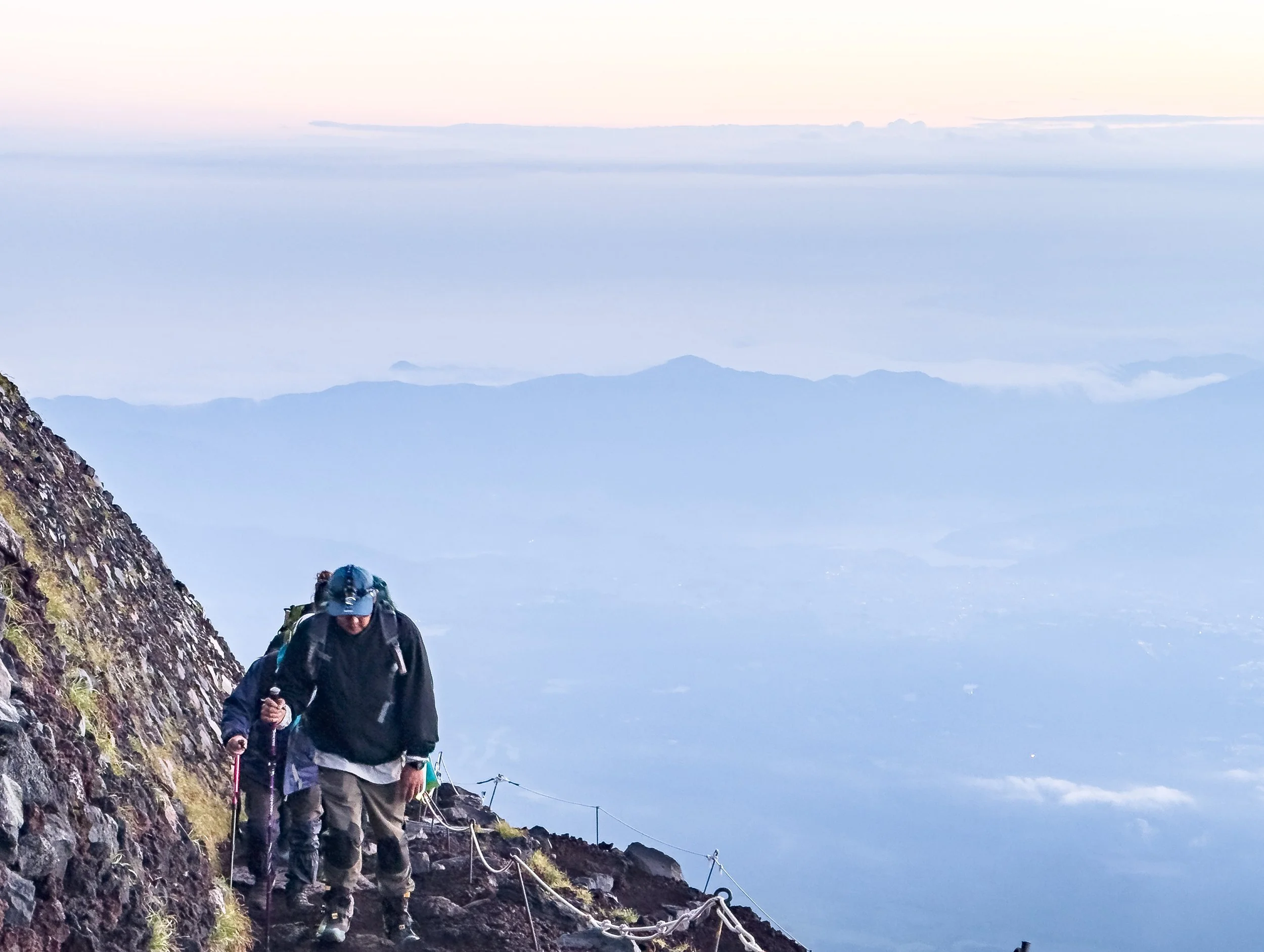
Throughout the night, the atmosphere changed continuously. Clouds drifted below the trail, volcanic rock disappeared beneath the mist, and darkness slowly gave way to the first light of dawn. Watching the sunrise from above the clouds became more than the reward for reaching the summit. It revealed the true subject of this project: not the mountain itself, but the people who confront it. Every face carried signs of fatigue, determination, vulnerability, and hope. The commemorative stamps collected at each mountain station gradually became symbols of perseverance rather than souvenirs, marking every stage of a shared physical and emotional journey.
This photographic essay is not an attempt to portray Mount Fuji simply as one of Japan's most recognizable landscapes. Instead, it documents endurance, cooperation, vulnerability, and transformation. Through these photographs, I sought to record the silent dialogue between human beings and nature, revealing how one mountain can reduce everyone to the same condition while, at the same time, bringing out the strength that allows them to continue climbing.